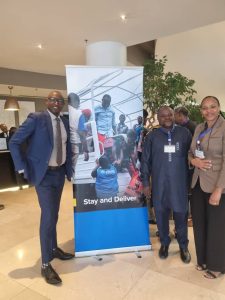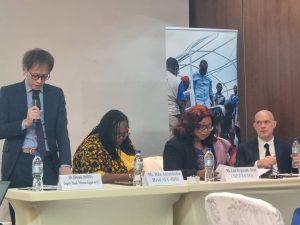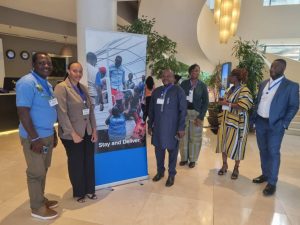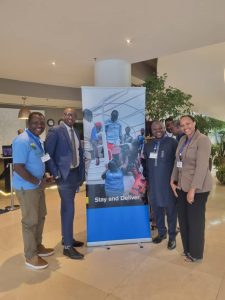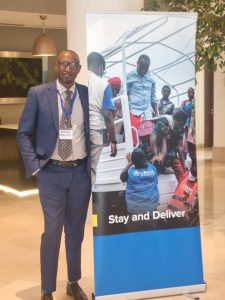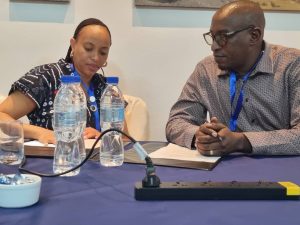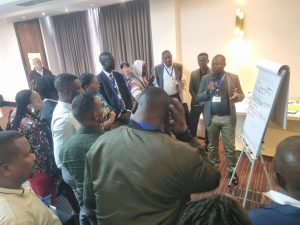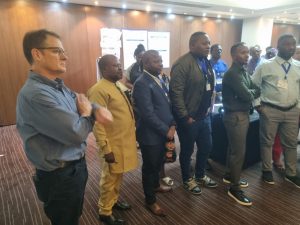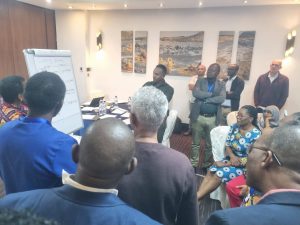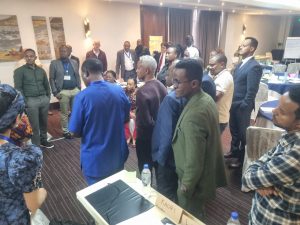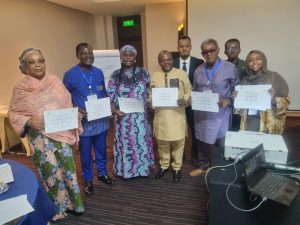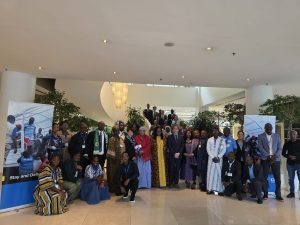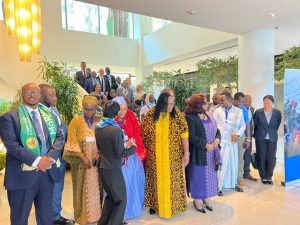
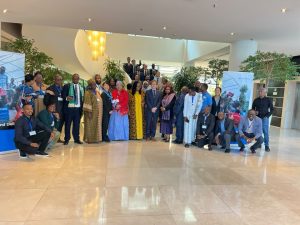
 Addis Ababa, Ethiopia, October 2026 — From 20 to 22 October 2026, Addis Ababa hosted the international workshop “LeadER in Action: Influence, Negotiate, Deliver,” held as part of the LeadER programme of the United Nations High Commissioner for Refugees (UNHCR) eCentre for Africa.
The workshop brought together 33 participants from 11 African countries, including representatives of refugee-led organizations (RLOs), government institutions, and other organizations working in the humanitarian sector. The Forum pour la Mémoire Vigilante (FMV), a refugee-led organization, was among the participating organizations. The workshop was facilitated by a team from UNHCR and InterWorks, which guided discussions and practical exercises throughout the sessions.
Running for six months, from May to October 2026, the LeadER programme aims to strengthen leadership skills and enhance the ability of humanitarian actors to work effectively together.
Strengthening Leadership and Negotiation Skills
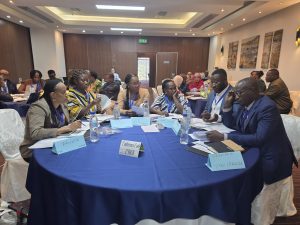 The LeadER programme forms part of broader efforts to strengthen the capacities of local and national actors involved in humanitarian emergency preparedness and response across Africa. Support from the Government of Japan to the eCentre for Africa contributes to these efforts.
The sessions in Addis Ababa focused on constructive influence, humanitarian negotiation, communication, and negotiation preparation. Participants explored the importance of active listening, emotional awareness and management, and the development of solutions that are acceptable to all parties involved.
These skills are essential for improving coordination, building trust among partners, and strengthening collaboration in complex humanitarian contexts. They also help humanitarian actors navigate differences, address competing priorities, and work towards shared objectives.
Diverse Actors, a Collective Strength
The workshop provided a valuable opportunity for professionals with diverse experiences, backgrounds, and responsibilities to exchange knowledge and learn from one another. Although government institutions, humanitarian organizations, and refugee-led organizations operate under different mandates, their contributions can complement one another and strengthen humanitarian responses.
Refugee-led organizations bring valuable first-hand knowledge of the challenges and realities experienced by the communities they represent. Their involvement helps ensure that the perspectives and priorities of refugees are considered in humanitarian initiatives and decision-making processes.
Other humanitarian organizations and public institutions also play important roles in protecting and supporting vulnerable populations within their respective mandates.
Effective cooperation among these actors depends on dialogue, mutual respect, and recognition of each other’s roles and contributions. By creating a shared learning environment, the LeadER programme encourages the exchange of experiences and the development of practical skills that can contribute to more coordinated, inclusive, and effective humanitarian action.
Rwanda Represented by Two Organizations
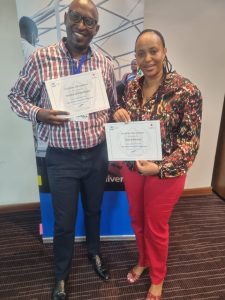 Rwanda was represented by two organizations with distinct profiles: the Forum pour la Mémoire Vigilante (FMV), a refugee-led organization, and Prison Fellowship Rwanda, another organization that works with refugees but not itself refugee-led.
For FMV, participation in the LeadER programme provided an opportunity to strengthen its leadership, communication, and negotiation skills while building relationships with other humanitarian actors.
The knowledge and skills gained through the programme can be shared within the organization and applied to its activities in support of refugees and vulnerable communities. Participation also offers an opportunity to exchange experiences, identify areas for collaboration, and strengthen partnerships with organizations working towards common humanitarian objectives.
For refugee-led organizations such as FMV, developing these capacities is particularly important to strengthening their participation in humanitarian coordination, fostering meaningful partnerships, and ensuring that community perspectives contribute to humanitarian action.
Turning Learning into Action
The LeadER programme highlights the importance of sustaining learning beyond the training itself. Knowledge-sharing, networking, and the practical application of acquired skills are essential to ensuring that the lessons learned translate into meaningful improvements in humanitarian work.
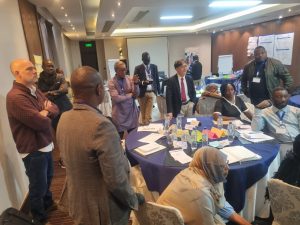 The Government of Japan’s support, UNHCR’s engagement through the eCentre for Africa, and the contribution of the UNHCR and InterWorks facilitation team helped provide participants with a learning environment focused on leadership development, negotiation, and cooperation.
For FMV, this experience reinforces the importance of capacity development, partnership-building, and collaboration among humanitarian actors. It also underscores the value of investing in the leadership capacities of refugee-led organizations so they can continue contributing to humanitarian responses and supporting the communities they serve.
Leadership is not simply about directing others. It also involves listening, engaging in constructive dialogue, negotiating effectively, and mobilizing the skills and contributions of different actors towards a common goal: improving support and protection for vulnerable communities.
The Forum pour la Mémoire Vigilante (FMV) remains committed to protecting vulnerable people, promoting peace education, and strengthening cooperation among humanitarian actors. Through initiatives such as the LeadER programme, FMV seeks to build its organizational capacities, expand opportunities for collaboration, and contribute to more inclusive and effective humanitarian action.
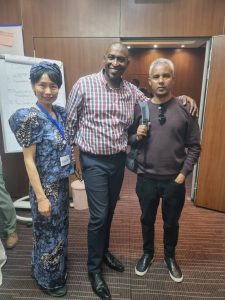
Some pictures of illustration: