

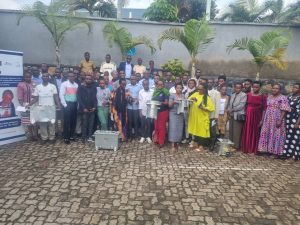
 In line with its vision to contribute to the eradication of poverty in all its forms and to meeting the basic needs of the population, the Forum pour la Mémoire Vigilante (FMV) is implementing an activity promoting clean and sustainable cooking, as part of a project funded by the United Nations High Commissioner for Refugees (UNHCR).
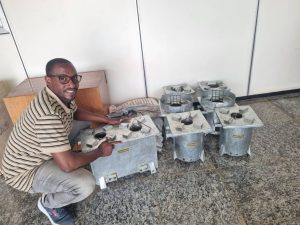 This activity is part of the implementation of an innovative project led by the Forum pour la Mémoire Vigilante (FMV), which addresses global challenges related to energy insecurity, indoor air pollution, and environmental degradation, issues that particularly affect refugee communities and host communities. Access to clean cooking energy is considered by the Forum pour la Mémoire Vigilante (FMV) to be a fundamental need, closely linked to health, human dignity, and the economic empowerment of households.
A practical and participatory activity
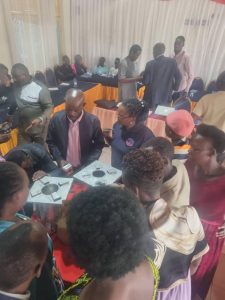
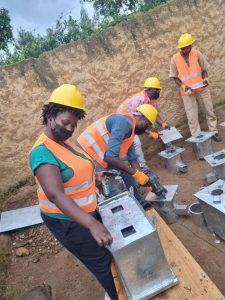 The activity enabled the presentation and testing of multi-energy clean cookstoves designed to operate with various locally available fuels (improved biomass, charcoal, and wood). These solutions aim to reduce the consumption of traditional fuels, improve indoor air quality, and protect the environment. The activity also created a space for dialogue with communities, encouraging the sharing of good practices and raising awareness of energy and environmental issues.
Technical and Academic Expertise Supporting the Project
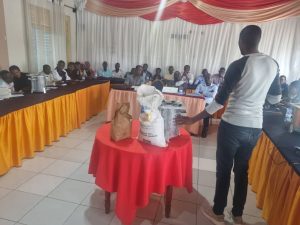
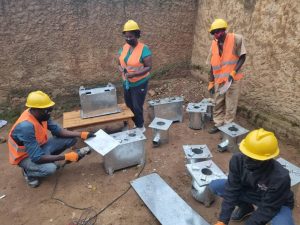
Jean de Dieu Niyongabo, Secretary General of FMV, recalls that: “Clean cooking must be approached as a collective and long-term endeavor. Organizations such as FMV can contribute through field-based actions, awareness-raising and advocacy, but the widespread adoption of these solutions requires strengthened coordination among public authorities, technical and financial partners, the private sector, and communities themselves.”
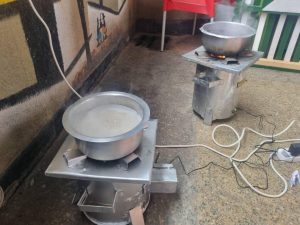 Within this framework, capacity building played a central role. The training was conducted in two phases: a first session took place on November 30, 2025, facilitated by Dr Jean de Dieu Iyakaremye and Ir. MSc Emmanuel Karikurubu, followed by a second session on December 20, 2025, facilitated by Dr Jean de Dieu Iyakaremye and Dr Athanase Dalson Gace.
The project also benefits from the support of these technical and academic experts, in addition to Ir. MSc Révérien Gahimbare, CEO of FMV.
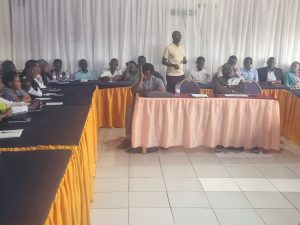 Each brings specific expertise: Dr Iyakaremye, a specialist in energy systems, highlights the environmental and health impacts of traditional cooking methods, emphasizing the importance of improved cookstoves in reducing deforestation, black carbon emissions and indoor air pollution, while improving health outcomes and easing the economic burden related to fuel use; Dr Gace contributes expertise in environmental protection with a gender-sensitive approach, promoting the active participation of women and marginalized groups in sustainable resource management and environmental decision-making; Ir. MSc Karikurubu, an expert in Occupational Health, Safety and Environment (OHSE), ensures that the production and use of cookstoves comply with safety standards and protect beneficiaries.
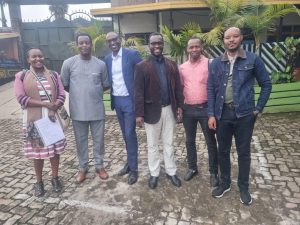 This synergy of expertise ensures that the solutions proposed by FMV are technically sound, adapted to local needs, socially inclusive, and capable of generating sustainable impact.
A collective and inclusive approach
As an active partner in the initiative, the Forum pour la Mémoire Vigilante (FMV) underscores that this action is part of a collective effort, bringing together local communities, technical experts, financial partners, and other stakeholders committed to sustainable development. The activity highlighted the growing interest of communities in environmentally friendly cooking solutions and facilitated the sharing of best practices.
 Through initiatives such as this one, the Forum pour la Mémoire Vigilante (FMV) contributes to supporting the transition toward sustainable energy practices, strengthening links between local actors and international partners in pursuit of inclusive and sustainable development.